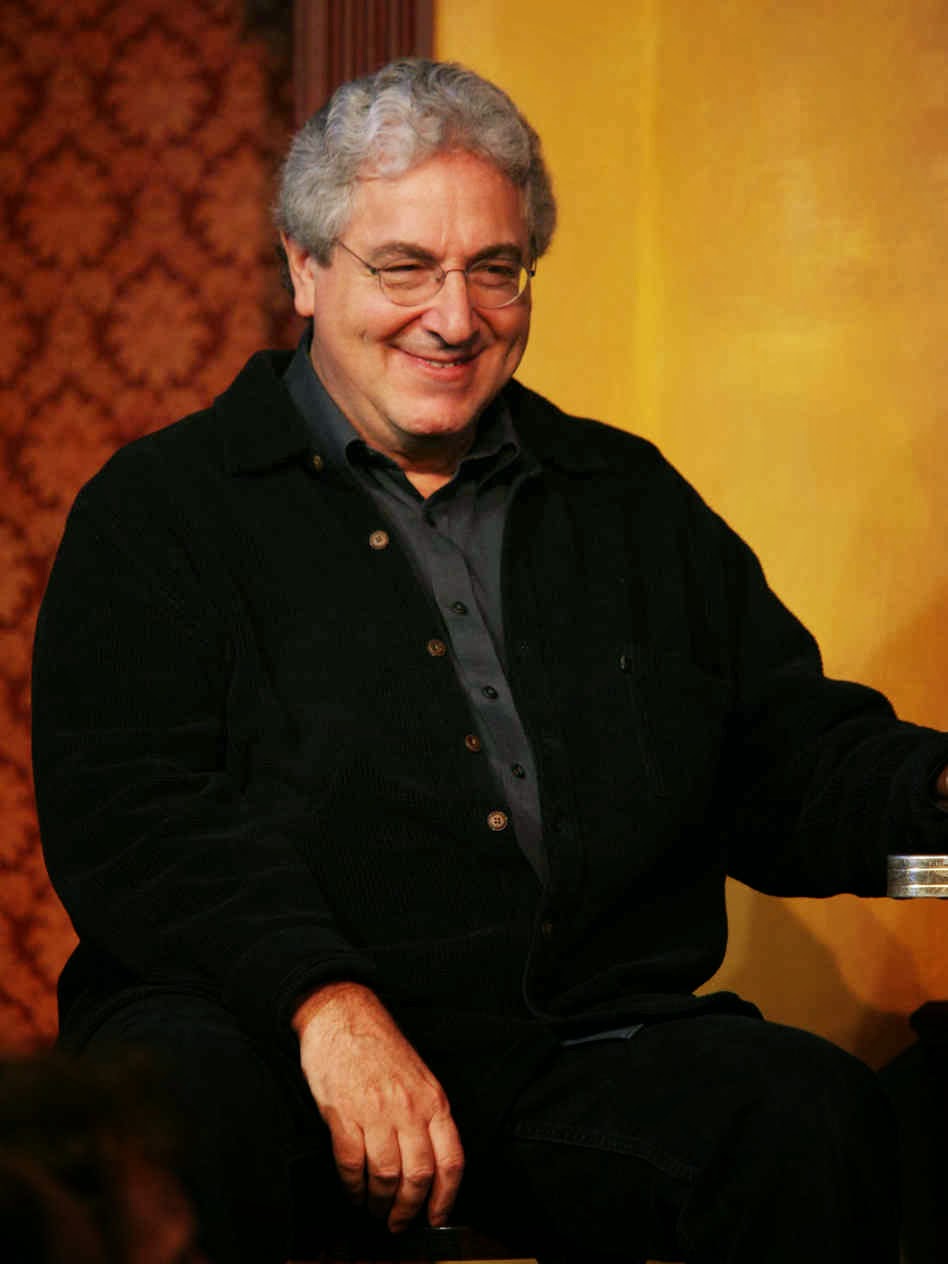
July 29, 2014
Poetry
He is almost a god, a man beside you,
enthralled by your talk, by your laughter.
Watching makes my heart beat fast
because, seeing little, I imagine much.
You put a fire in my cheeks.
Speech won't come. My ears ring.
Blind to all others, I sweat and I stammer.
I am a trembling thing, like grass,
an inch from dying.
So poor I've nothing to lose, I must gamble...
(6th century BCE)
-Sappho
enthralled by your talk, by your laughter.
Watching makes my heart beat fast
because, seeing little, I imagine much.
You put a fire in my cheeks.
Speech won't come. My ears ring.
Blind to all others, I sweat and I stammer.
I am a trembling thing, like grass,
an inch from dying.
So poor I've nothing to lose, I must gamble...
(6th century BCE)
-Sappho
July 27, 2014
Literary Pick (****)
What Remains
-Carole Radziwill
Allow me to preface my review by expressing that Carole's narrative surrounding the deaths of JFK Jr., Carolyn and Lauren Besset, and the death of her own husband Anthony Radziwill, 3 weeks later was quite fascinating. But of course, any book that discusses the last days of JFK JR. and his young wife Carolyn Besset, is going to be an instant New York Times best seller, regardless of who wrote it. Take those two out of the equation, and it wouldn't be such an interesting read. It's like she wrote the book to prove to people who've never heard of her or her husband, that she was very good friends with Kennedy Jr and his wife Carolyn.
-Carole Radziwill
Allow me to preface my review by expressing that Carole's narrative surrounding the deaths of JFK Jr., Carolyn and Lauren Besset, and the death of her own husband Anthony Radziwill, 3 weeks later was quite fascinating. But of course, any book that discusses the last days of JFK JR. and his young wife Carolyn Besset, is going to be an instant New York Times best seller, regardless of who wrote it. Take those two out of the equation, and it wouldn't be such an interesting read. It's like she wrote the book to prove to people who've never heard of her or her husband, that she was very good friends with Kennedy Jr and his wife Carolyn.
July 22, 2014
July 20, 2014
RIP
James Garner
Born: April 7, 1928, Norman, OK
Actor James Garner, best known for his prime-time television roles as the wisecracking frontier gambler on "Maverick" and as an ex-con turned private eye on "The Rockford Files," has died at age 86, Los Angeles police confirmed early on Sunday.
Garner, who built a six-decade career playing ruggedly charming, good-natured anti-heroes and received the highest honor of the Screen Actors Guild in 2004, was found dead from natural causes on Saturday night at his Los Angeles home, according to police.
There were no further details immediately available on the circumstances of his death. Garner underwent surgery for a stroke in 2008, two years after appearing in his last big-screen role as a wealthy grandfather for a film adaptation of the best-selling book "The Ultimate Gift".
An Oklahoma native, Garner entered show business in the 1950s after serving in the Korean War and first rose to fame on the TV western "Maverick," a sardonic alternative to the more serious frontier shows then popular on American prime time.
He was Bret Maverick, a cardsharp and ladies man who got by on his wits instead of a six-gun and would just as soon duck a fight as face a showdown. Co-star Jack Kelly played his more straight-laced brother, Bart.
Garner left the ABC show in 1960 in a contract dispute with producers but brought his "Maverick"-like alter ego to a series of films, including "Thrill of It All," "Move Over, Darling," "The Great Escape" and "Support Your Local Sheriff!"
Garner once said his screen persona as an easy-going guy smart enough to steer clear of a fight actually ran only so deep.
"At times it's like me, but I used to have this temper," he told Reuters in a 2004 interview. "I used to get in a fight in a heartbeat. But that was many years ago."
With his wry, low-key presence, good looks and thick dark hair, Garner was hailed by some as Hollywood's next Clark Gable or Cary Grant.
But he ended up scoring his next big hit on the small screen in the 1970s, starring as canny private detective Jim Rockford, a wrongly accused ex-convict starting life over in a beachfront trailer home, on "The Rockford Files."
The show ran on NBC from 1974 until Garner abruptly quit the series in 1980. He reprised Rockford for several TV movies in the late 1990s.
BACK TO THE BIG SCREEN
The role earned Garner an Emmy Award in 1977. He received his sole Oscar nomination for his work opposite Sally Field in the 1985 feature comedy "Murphy's Romance."
Garner said his favorite role was as the cowardly U.S. soldier who falls for Julie Andrews before being sent on a dangerous wartime mission in the 1964 film "The Americanization of Emily."
He teamed up with Andrews again in the 1982 film "Victor/Victoria."
He returned to the big screen in 2000 in Clint Eastwood's astronaut adventure "Space Cowboys" and two years later in "Divine Secrets of the Ya-Ya Sisterhood."
In a spate of late-career TV work, Garner played a recurring role as a hospital chief executive on "Chicago Hope" in 2000 and starred as a conservative Supreme Court chief justice in the short-lived 2002 series "First Monday."
In 2003, he joined the cast of the ABC sitcom "8 Simple Rules," playing a grandfather after the untimely death of series star John Ritter.
The following year, Garner showed off his big-screen acting chops again, starring opposite Gena Rowlands as the devoted elderly husband of an Alzheimer's disease sufferer in Nick Cassavetes' adaptation of the bestseller "The Notebook."
(Reporting by Steve Gorman; Editing by Rosalind Russell and Raissa Kasolowsky)
-Reuters
Born: April 7, 1928, Norman, OK
Died: July 19, 2014, Brentwood, Los Angeles, CA
Actor James Garner, best known for his prime-time television roles as the wisecracking frontier gambler on "Maverick" and as an ex-con turned private eye on "The Rockford Files," has died at age 86, Los Angeles police confirmed early on Sunday.
Garner, who built a six-decade career playing ruggedly charming, good-natured anti-heroes and received the highest honor of the Screen Actors Guild in 2004, was found dead from natural causes on Saturday night at his Los Angeles home, according to police.
There were no further details immediately available on the circumstances of his death. Garner underwent surgery for a stroke in 2008, two years after appearing in his last big-screen role as a wealthy grandfather for a film adaptation of the best-selling book "The Ultimate Gift".
An Oklahoma native, Garner entered show business in the 1950s after serving in the Korean War and first rose to fame on the TV western "Maverick," a sardonic alternative to the more serious frontier shows then popular on American prime time.
He was Bret Maverick, a cardsharp and ladies man who got by on his wits instead of a six-gun and would just as soon duck a fight as face a showdown. Co-star Jack Kelly played his more straight-laced brother, Bart.
Garner left the ABC show in 1960 in a contract dispute with producers but brought his "Maverick"-like alter ego to a series of films, including "Thrill of It All," "Move Over, Darling," "The Great Escape" and "Support Your Local Sheriff!"
Garner once said his screen persona as an easy-going guy smart enough to steer clear of a fight actually ran only so deep.
"At times it's like me, but I used to have this temper," he told Reuters in a 2004 interview. "I used to get in a fight in a heartbeat. But that was many years ago."
With his wry, low-key presence, good looks and thick dark hair, Garner was hailed by some as Hollywood's next Clark Gable or Cary Grant.
But he ended up scoring his next big hit on the small screen in the 1970s, starring as canny private detective Jim Rockford, a wrongly accused ex-convict starting life over in a beachfront trailer home, on "The Rockford Files."
The show ran on NBC from 1974 until Garner abruptly quit the series in 1980. He reprised Rockford for several TV movies in the late 1990s.
BACK TO THE BIG SCREEN
The role earned Garner an Emmy Award in 1977. He received his sole Oscar nomination for his work opposite Sally Field in the 1985 feature comedy "Murphy's Romance."
Garner said his favorite role was as the cowardly U.S. soldier who falls for Julie Andrews before being sent on a dangerous wartime mission in the 1964 film "The Americanization of Emily."
He teamed up with Andrews again in the 1982 film "Victor/Victoria."
He returned to the big screen in 2000 in Clint Eastwood's astronaut adventure "Space Cowboys" and two years later in "Divine Secrets of the Ya-Ya Sisterhood."
In a spate of late-career TV work, Garner played a recurring role as a hospital chief executive on "Chicago Hope" in 2000 and starred as a conservative Supreme Court chief justice in the short-lived 2002 series "First Monday."
In 2003, he joined the cast of the ABC sitcom "8 Simple Rules," playing a grandfather after the untimely death of series star John Ritter.
The following year, Garner showed off his big-screen acting chops again, starring opposite Gena Rowlands as the devoted elderly husband of an Alzheimer's disease sufferer in Nick Cassavetes' adaptation of the bestseller "The Notebook."
(Reporting by Steve Gorman; Editing by Rosalind Russell and Raissa Kasolowsky)
-Reuters
July 8, 2014
July 6, 2014
Literary Pick (****)
Rarity of the Century
-Fawzy Zablah
Last night I had to tear myself away from this book because I had to wake up early for work, I promised myself I had to absolutely stop reading it by 11:00 pm, so at 11:01 I took my Ambien, but kept reading until I started feeling funny. I woke up half an hour early just so I could finish the book, and I re-read the last two pages of the chapter where I left off, just in case.
Honestly, this story captured me from the very first sentence to the last page, and left me feeling like I wished there were at least 3 full pages more. This is the second time I find myself in a conundrum in how to word my review of Zablah's books without spoiling it for the next reader, because it's almost like he places little Easter eggs in his story for you to find, and I don't want to ruin it for anyone, but I have to say that my favorite part of the whole story, and I thought this was absolutely brilliant, was that it was told from each characters own perspective, but what was even more unique was that it was almost hilarious to witness what each of them really thought of certain situations that they had experienced together, how almost clueless Chucho was, and how aware on the other hand Shiraz was, when at the beginning of the story one thought the total opposite. I thought that part was especially crafted so perfectly.
You know, when I first read the word "alien" in the description of the book, I thought, oh no, I'm not a sci-fi person at all. I shun all sci-fi, and will continue to do so, but this wasn't one of those kind of "sci-fi" stories, it wasn't about aliens, or any of that shit, it was about the relationship of the people in the story, not so much about the events, actually, but about the realism of their relationships.
What I loved even more was Benito's whole back-story, just when you thought it couldn't get better, you start reading a whole new dimension to the story, adding just a dab of historical fiction to the mix. The story continued to culminate into such a cohesive apocalyptic tale. I would've never imagined such a small book would've been filled with so much thought-provoking circumstances.
I started my book challenge in January, and so far it's the best book I've read all year, and I'm pretty much a hard-grader when it comes to rating books. I don't easily give books 4-5 stars. This really is a must-read. It's one of those subtle thrillers that keeps you thinking long after you've finished it.
-Fawzy Zablah
Last night I had to tear myself away from this book because I had to wake up early for work, I promised myself I had to absolutely stop reading it by 11:00 pm, so at 11:01 I took my Ambien, but kept reading until I started feeling funny. I woke up half an hour early just so I could finish the book, and I re-read the last two pages of the chapter where I left off, just in case.
Honestly, this story captured me from the very first sentence to the last page, and left me feeling like I wished there were at least 3 full pages more. This is the second time I find myself in a conundrum in how to word my review of Zablah's books without spoiling it for the next reader, because it's almost like he places little Easter eggs in his story for you to find, and I don't want to ruin it for anyone, but I have to say that my favorite part of the whole story, and I thought this was absolutely brilliant, was that it was told from each characters own perspective, but what was even more unique was that it was almost hilarious to witness what each of them really thought of certain situations that they had experienced together, how almost clueless Chucho was, and how aware on the other hand Shiraz was, when at the beginning of the story one thought the total opposite. I thought that part was especially crafted so perfectly.
You know, when I first read the word "alien" in the description of the book, I thought, oh no, I'm not a sci-fi person at all. I shun all sci-fi, and will continue to do so, but this wasn't one of those kind of "sci-fi" stories, it wasn't about aliens, or any of that shit, it was about the relationship of the people in the story, not so much about the events, actually, but about the realism of their relationships.
What I loved even more was Benito's whole back-story, just when you thought it couldn't get better, you start reading a whole new dimension to the story, adding just a dab of historical fiction to the mix. The story continued to culminate into such a cohesive apocalyptic tale. I would've never imagined such a small book would've been filled with so much thought-provoking circumstances.
I started my book challenge in January, and so far it's the best book I've read all year, and I'm pretty much a hard-grader when it comes to rating books. I don't easily give books 4-5 stars. This really is a must-read. It's one of those subtle thrillers that keeps you thinking long after you've finished it.
June 22, 2014
June 21, 2014
June 18, 2014
June 12, 2014
June 8, 2014
June 6, 2014
Quote of the Day
“He who conquers others is strong; he who conquers himself is mighty"
― Lao Tzu, Tao Te Ching
June 3, 2014
May 28, 2014
RIP
Maya Angelou, Poet, Activist And Singular Storyteller, Dies At 86
Poet, performer and political activist Maya Angelou has died after a long illness at her home in Winston-Salem, N.C. She was 86.
Born in St. Louis in 1928, Angelou grew up in a segregated society that she worked to change during the civil rights era. Angelou, who refused to speak for much of her childhood, revealed the scars of her past in I Know Why the Caged Bird Sings, the first of a series of memoirs.
Growing up in St. Louis, Mo., and Stamps, Ark., she was Marguerite Johnson. It was her brother who first called her Maya, and the name stuck. Later she added the Angelou, a version of her first husband's name.
Angelou left a troubled childhood and the segregated world of Arkansas behind and began a career as a dancer and singer. She toured Europe in the1950s with a production of Porgy and Bess, studied dance with Martha Graham and performed with Alvin Ailey on television. In 1957 she recorded an album called "Calypso Lady."
"I was known as Miss Calypso, and when I'd forget the lyric, I would tell the audience, 'I seem to have forgotten the lyric. Now I will dance.' And I would move around a bit," she recalled with a laugh during a 2008 interview with NPR.
"She really believed that life was a banquet," says Patrik Henry Bass, an editor at Essence Magazine. When he read Angelou's memoir I Know Why the Caged Bird Sings, he saw parallels in his own life in a small town in North Carolina. He says everyone in the African-American community looked up to her; she was a celebrity but she was one of them. He remembers seeing her on television and hearing her speak.
"When we think of her, we often think about her books, of course, and her poems," he says. "But in the African-American community, certainly, we heard so much of her work recited, so I think about her voice. You would hear that voice, and that voice would capture a humanity, and that voice would calm you in so many ways through some of the most significant challenges.
" Film director John Singleton grew up in a very different part of the country. But he remembers the effect Angelou's poem "" had on him as a kid. It begins:
You may write me down in history
With your bitter, twisted lies,
You may trod me in the very dirt
But still, like dust, I'll rise.
"I come from South Central Los Angeles," he says. It's "a place where we learn to puff up our chests to make ourselves bigger than we are because we have so many forces knocking us down — including some of our own. And so that poem ... it pumps me up, you know. ... It makes me feel better about myself, or at least made me feel better about myself when I was young."
Singleton used Angelou's poems in his 1993 film Poetic Justice. Angelou also had a small part in the movie. Singleton says he thinks of Angelou as a griot — a traditional African storyteller.
"We all have that one or two people in our families that just can spin a yarn, that has a whole lot to say, and holds a lot of wisdom from walking through the world and experiencing different things," he says. "And that's the way I see Dr. Maya Angelou. She was a contemporary of Martin Luther King, a contemporary of Malcolm X and Oprah Winfrey. She transcends so many different generations of African-American culture that have affected all of us."
Joanne Braxton, a professor at the College of William and Mary, says Angelou's willingness to reveal the sexual abuse she suffered as a child in I Know Why the Caged Bird Sings was unprecedented at the time. The critical acclaim and popularity of the book opened doors for both African-American and female writers.
"Maya Angelou brought about a paradigm shift in American literature and culture," Braxton says, "so that the works, the gifts, the talents of women writers, including women writers of color, could be brought to the foreground and appreciated. She created an audience by her stunning example."
For Braxton, the world will never be quite the same without Angelou.
"I love her," she says. "She's beloved by many, including many, many people who have never met her in person, and who will never meet her in person — but she has extended herself that way, so that her touch extends beyond her physical embrace. That is truly a gift, and we are truly blessed to have known her through her presence and her work."
Angelou once said she believed that "life loves the liver of it," and she did live it, to the fullest.
-NPR
Born in St. Louis in 1928, Angelou grew up in a segregated society that she worked to change during the civil rights era. Angelou, who refused to speak for much of her childhood, revealed the scars of her past in I Know Why the Caged Bird Sings, the first of a series of memoirs.
Growing up in St. Louis, Mo., and Stamps, Ark., she was Marguerite Johnson. It was her brother who first called her Maya, and the name stuck. Later she added the Angelou, a version of her first husband's name.
Angelou left a troubled childhood and the segregated world of Arkansas behind and began a career as a dancer and singer. She toured Europe in the1950s with a production of Porgy and Bess, studied dance with Martha Graham and performed with Alvin Ailey on television. In 1957 she recorded an album called "Calypso Lady."
"I was known as Miss Calypso, and when I'd forget the lyric, I would tell the audience, 'I seem to have forgotten the lyric. Now I will dance.' And I would move around a bit," she recalled with a laugh during a 2008 interview with NPR.
"She really believed that life was a banquet," says Patrik Henry Bass, an editor at Essence Magazine. When he read Angelou's memoir I Know Why the Caged Bird Sings, he saw parallels in his own life in a small town in North Carolina. He says everyone in the African-American community looked up to her; she was a celebrity but she was one of them. He remembers seeing her on television and hearing her speak.
"When we think of her, we often think about her books, of course, and her poems," he says. "But in the African-American community, certainly, we heard so much of her work recited, so I think about her voice. You would hear that voice, and that voice would capture a humanity, and that voice would calm you in so many ways through some of the most significant challenges.
" Film director John Singleton grew up in a very different part of the country. But he remembers the effect Angelou's poem "" had on him as a kid. It begins:
You may write me down in history
With your bitter, twisted lies,
You may trod me in the very dirt
But still, like dust, I'll rise.
"I come from South Central Los Angeles," he says. It's "a place where we learn to puff up our chests to make ourselves bigger than we are because we have so many forces knocking us down — including some of our own. And so that poem ... it pumps me up, you know. ... It makes me feel better about myself, or at least made me feel better about myself when I was young."
Singleton used Angelou's poems in his 1993 film Poetic Justice. Angelou also had a small part in the movie. Singleton says he thinks of Angelou as a griot — a traditional African storyteller.
"We all have that one or two people in our families that just can spin a yarn, that has a whole lot to say, and holds a lot of wisdom from walking through the world and experiencing different things," he says. "And that's the way I see Dr. Maya Angelou. She was a contemporary of Martin Luther King, a contemporary of Malcolm X and Oprah Winfrey. She transcends so many different generations of African-American culture that have affected all of us."
Joanne Braxton, a professor at the College of William and Mary, says Angelou's willingness to reveal the sexual abuse she suffered as a child in I Know Why the Caged Bird Sings was unprecedented at the time. The critical acclaim and popularity of the book opened doors for both African-American and female writers.
"Maya Angelou brought about a paradigm shift in American literature and culture," Braxton says, "so that the works, the gifts, the talents of women writers, including women writers of color, could be brought to the foreground and appreciated. She created an audience by her stunning example."
For Braxton, the world will never be quite the same without Angelou.
"I love her," she says. "She's beloved by many, including many, many people who have never met her in person, and who will never meet her in person — but she has extended herself that way, so that her touch extends beyond her physical embrace. That is truly a gift, and we are truly blessed to have known her through her presence and her work."
Angelou once said she believed that "life loves the liver of it," and she did live it, to the fullest.
-NPR
May 14, 2014
May 7, 2014
Art of the Day
Ugolino and His Sons
Jean–Baptiste Carpeaux (French, 1827–1875)
Dante's Divine Comedy has always enjoyed favor in the plastic arts. Ugolino, the character that galvanized peoples' fantasies and fears during the second half of the nineteenth century, appears in Canto 33 of the Inferno. This intensely Romantic sculpture derives from the passage in which Dante describes the imprisonment in 1288 and subsequent death by starvation of the Pisan count Ugolino della Gherardesca and his offspring. Carpeaux depicts the moment when Ugolino, condemned to die of starvation, yields to the temptation to devour his children and grandchildren, who cry out to him:
The Metropolitan Museum of Art
Jean–Baptiste Carpeaux (French, 1827–1875)
Dante's Divine Comedy has always enjoyed favor in the plastic arts. Ugolino, the character that galvanized peoples' fantasies and fears during the second half of the nineteenth century, appears in Canto 33 of the Inferno. This intensely Romantic sculpture derives from the passage in which Dante describes the imprisonment in 1288 and subsequent death by starvation of the Pisan count Ugolino della Gherardesca and his offspring. Carpeaux depicts the moment when Ugolino, condemned to die of starvation, yields to the temptation to devour his children and grandchildren, who cry out to him:
But when to our somber cell was thrownCarpeaux's visionary composition reflects his reverence for Michelangelo, as well as his own painstaking concern with anatomical realism. Ugolino and His Sons was completed in plaster in 1861, the last year of his residence at the French Academy in Rome. A sensation in Rome, it brought Carpeaux many commissions. Upon his return to France, Ugolino was cast in bronze at the order of the French Ministry of Fine Arts and exhibited in the Paris Salon of 1863. Later it was moved to the gardens of the Tuilieries, where it was displayed as a pendant to a bronze of the Laocoön. This marble version was executed by the practitioner Bernard under Carpeaux's supervision and completed in time for the Universal Exposition at Paris in 1867. The date inscribed on the marble refers to the original plaster model's completion.
A slender ray, and each face was lit
I saw in each the aspect of my own,
For very grief both of my hands I bit,
And suddenly from the floor arising they,
Thinking my hunger was the cause of it,
Exclaimed: Father eat thou of us, and stay
Our suffering: thou didst our being dress
In this sad flesh; now strip it all away.
The Metropolitan Museum of Art
April 17, 2014
RIP
Gabriel Garcia Marquez
1927-2014
Gabriel García Márquez, the influential, Nobel Prize-winning author of "One Hundred Years of Solitude" and "Love in the Time of Cholera," has died, his family and officials said.
1927-2014
Gabriel García Márquez, the influential, Nobel Prize-winning author of "One Hundred Years of Solitude" and "Love in the Time of Cholera," has died, his family and officials said.
He was 87.
The literary giant was treated in April for infections and dehydration at a Mexican hospital.
García Márquez, a native
of Colombia, is widely credited with helping to popularize "magical
realism," a genre "in which the fantastic and the realistic are combined
in a richly composed world of imagination," as the Nobel committee
described it upon awarding him the prize for literature in 1982.
He was sometimes called
the most significant Spanish-language author since Miguel de Cervantes,
the 16th-century author of "Don Quixote" and one of the great writers in
Western literature. Indeed, Chilean poet Pablo Neruda told Time that
"One Hundred Years of Solitude" was "the greatest revelation in the
Spanish language since the Don Quixote of Cervantes."
The author's cousin,
Margarita Marquez, and Colombia's ambassador to Mexico, José Gabriel
Ortiz, confirmed the author's death to CNN on Thursday.
Colombian writer Gabriel Garcia Marquez won the Nobel Prize for Literature in 1982.
"We're left with the
memories and the admiration to all Colombians and also Mexicans because I
think Gabo was half Mexican and half Colombian. He's just as admired in
Mexico as he is in (his native) Colombia, all of Latin America and
throughout the world," Ortiz told CNN en Español.
"I believe they were
somehow emotionally ready for this regrettable outcome. They knew he was
suffering from a complex, terminal disease and was an elderly man. I
believe (Garcia Marquez's widow Mercedes Barcha) was getting ready for
this moment, although nobody can really prepare themselves for a moment
like this."
The author -- known by
his nickname "Gabo" throughout Latin America -- was born in the northern
Colombian town of Aracataca, which became the inspiration for Macondo,
the town at the center of "Solitude," his 1967 masterpiece, and
referenced in such works as his novella "Leaf Storm" and the novel "In
Evil Hour."
"I feel Latin American
from whatever country, but I have never renounced the nostalgia of my
homeland: Aracataca, to which I returned one day and discovered that
between reality and nostalgia was the raw material for my work," reads a
mural quoting the author outside of town.
García Márquez was tickled that he had earned so much praise for his fertile imagination.
"The truth is that
there's not a single line in all my work that does not have a basis in
reality. The problem is that Caribbean reality resembles the wildest
imagination," he told The Paris Review in 1981.
A storyteller's childhood
García Márquez's early
life was shaped by both familial and political conflict. His
grandfather, a widely respected figure known as the Colonel, was a
liberal military man who strongly disagreed with the political views of
García Márquez's father, a conservative telegraph operator who became a
pharmacist. (His father's ardent pursuit of his mother later inspired
"Love in the Time of Cholera.")
Their political
disagreement came to reflect that of Colombia as a whole, a country that
spent a postwar decade in the grip of what was called "La Violencia," a
civil war that followed the assassination of a populist leader.
García Márquez spent his
early childhood with his grandparents while his parents pursued a
living in the coastal city of Barranquilla.
Both his grandparents
were excellent storytellers, and García Márquez soaked in their tales.
From his grandfather he learned of military men, Colombian history and
the terrible burden of killing; from his grandmother came folk tales,
superstitions and ghosts among the living.
His grandmother's
stories were delivered "as if they were the irrefutable truth,"
according to the García Márquez site themodernword.com. The influence is
obvious in García Márquez's works, particularly "One Hundred Years of
Solitude."
In 1936 the Colonel,
died and García Márquez returned to his parents and their growing
family. He was eventually one of 11 children, not to mention several
half-siblings from his father's affairs, a familial sprawl that also
found its way into his books.
After finishing high
school, García Márquez went off to college with dreams of becoming a
writer. His parents, on the other hand, had plans for him to become a
lawyer. Writing ended up taking precedence: When La Violencia broke out,
García Márquez started contributing stories to a local newspaper and
eventually became a columnist. He had also been exposed to writers such
as James Joyce, Virginia Woolf, Franz Kafka and especially William
Faulkner, who had turned his own patch of land in Oxford, Mississippi,
into the shape-shifting past and present of Yoknapatawpha County.
In the mid-1950s, García
Márquez left Colombia for Europe, a move partly provoked by a story
he'd written that was critical of the government. The distance, he later
said, helped shape his perspective on Latin American politics.
For years, García
Márquez had been writing and publishing fiction, including short stories
in Latin American journals and a handful of longer works, including
"Leaf Storm," which was published in 1955. But it wasn't until 1967 with
the publication of "One Hundred Years of Solitude" that he broke
through to a wide audience.
'100 Years' of literary renown
The novel is set in
Macondo, a town founded by the patriarch of the Buendia family, José
Arcadio Buendia. Over the generations, members of the family are set
upon by ghosts and visions, fall in love, dream of riches and fight in
wars. Natural events take on supernatural aspects -- rains that last
years, plagues that create memory loss. It is a tapestry of almost
biblical proportions in which reality and spirit swirl and merge, a
world unto itself -- as well as a commentary on the politics and history
of the world at large.
"The narrative is a
magician's trick in which memory and prophecy, illusion and reality are
mixed and often made to look the same. It is, in short, very much like
Márquez's astonishing novel," wrote The New York Times in a 1970 review
upon the release of the English translation by Gregory Rabassa.
García Márquez worked on
"Solitude" tirelessly, selling off family items, living on credit,
smoking up a nicotine frenzy. Upon its release, the book became an
instant bestseller in Latin America and was equally successful in
English. It has been estimated to have sold in excess of 20 million
copies -- some sources say as many as 50 million -- in two dozen
languages.
The book didn't ease all
of García Márquez's problems, however. As a vocal leftist and defender
of Castro's Cuba, he was regularly limited or denied visas by the United
States until President Bill Clinton, a fan of "Solitude," revoked the
ban.
Clinton commented on Garcia Marquez's death Thursday.
"I was saddened to learn
of the passing of Gabriel García Márquez," he said in a statement.
"From the time I read 'One Hundred Years of Solitude' more than 40 years
ago, I was always amazed by his unique gifts of imagination, clarity of
thought, and emotional honesty. He captured the pain and joy of our
common humanity in settings both real and magical."
García Márquez was also
involved in a feud with onetime friend writer Mario Vargas Llosa, a
Peruvian and a Nobel laureate, who punched the Colombian in the face in
1976 -- believed to be over politics but later revealed to be over Vargas Llosa's wife.
García Márquez's ensuing
works were generally praised. They included "The Autumn of the
Patriarch" (1975), "Chronicle of a Death Foretold" (1981) and "The
General in His Labyrinth" (1990). He is said to be the most popular
Spanish-language author in the world.
"Love in the Time of
Cholera," with an English translation published in 1988, was a
particular bestseller. The love story, which was turned into a 2007
movie, was referenced in such works as the 2001 movie "Serendipity" and
the finale of the TV series "How I Met Your Mother."
García Márquez's style and impact have been widespread.
He is credited with
spearheading "el Boom," attracting attention to a generation of Latin
American writers, including Vargas Llosa and Mexico's Carlos Fuentes.
Magical realism is now an accepted genre, to the point that some critics
believe it has been overused.
And he prompted a focus
on Latin American politics -- protesting the 1973 CIA-aided coup in
Chile, calling attention to corruption and free speech issues in South
America and around the world.
He never gave up journalism.
"I've always been
convinced that my true profession is that of a journalist. What I didn't
like about journalism before were the working conditions," he told The
Paris Review. "Now, after having worked as a novelist, and having
achieved financial independence as a novelist, I can really choose the
themes that interest me and correspond to my ideas."
He was one of the most
honored -- and highly respected -- authors on Earth, particularly in
parts of the world where literature is taken as seriously as politics.
"On behalf of Mexico, I
would like to express my sorrow for the passing of one of the greatest
writers of our time, Gabriel Garcia Marquez," tweeted Mexican President
Enrique Peña Nieto.
Colombian President Juan Manuel Santos summed up the author's presence on Twitter.
"Giants never die," Santos tweeted.
For all of his
immortality, however, Garcia Marquez preferred the here and now. Asked
about the impact of dreams on his dreamlike writing, he said he'd rather
focus on reality.
"Life itself is the
greatest source of inspiration," he said. "I see dreams as part of life
in general, but reality is much richer.
"But maybe," he added, "I just have very poor dreams."
-CNN
April 7, 2014
RIP
Mickey Rooney
September 23, 1920
April 6, 2014 (aged 93)
Mickey Rooney was born Joe Yule Jr. on September 23, 1920 in Brooklyn, New York. He first took the stage as a toddler in his parents' vaudeville act at 17 months old. He made his first film appearance in 1926. The following year, he played the lead character in the first Mickey McGuire short film. It was in this popular film series that he took the stage name Mickey Rooney. Rooney reached new heights in 1937 with A Family Affair, the film that introduced the country to Andy Hardy, the popular all-American teenager. This beloved character appeared in nearly 20 films and helped make Rooney the top star at the box office in 1939, 1940 and 1941. Rooney also proved himself an excellent dramatic actor as a delinquent in Boys Town starring Spencer Tracy. In 1938, he was awarded a juvenile Academy Award.
Teaming up with Judy Garland, Rooney also appeared in a string of musicals, including Babes in Arms (1939) the first teenager to be nominated for an Oscar in a leading role, Strike up the Band (1940), Babes on Broadway (1941), and Girl Crazy (1943). He and Garland immediately became best of friends. "We weren't just a team, we were magic," Rooney once said. During that time he also appeared with Elizabeth Taylor in the now classic National Velvet (1944). Rooney joined the service that same year, where he helped to entertain the troops and worked on the American Armed Forces Network. He returned to Hollywood after 21 months in Love Laughs at Andy Hardy (1946), did a remake of a Robert Taylor film, The Crowd Roars called Killer McCoy (1947) and portrayed composer Lorenz Hart in Words and Music (1948). He also appeared in Breakfast at Tiffany's (1961), starring Audrey Hepburn and George Peppard. Rooney played Hepburn's Japanese neighbor, Mr. Yunioshi. A sign of the times, Rooney played the part for comic relief which he later regretted feeling the role was offensive. He once again showed his incredible range in the dramatic role of a boxing trainer with Anthony Quinn and Jackie Gleason in Requiem for a Heavyweight (1962). In the late 1960s and 1970s Rooney showed audiences and critics alike why he was one of Hollywood's most enduring stars. He gave an impressive performance in Francis Ford Coppola's 1979 film The Black Stallion, which brought him an Academy Award nomination as Best Supporting Actor. He also turned to the stage in 1979 in Sugar Babies with Ann Miller, and was nominated for a Tony Award. During that time he also portrayed the Wizard in The Wonderful Wizard of Oz with Eartha Kitt at New York's Madison Square Garden, which also had a successful run nationally.
Rooney appeared in four television series': The Mickey Rooney Show (1954-1955), a comedy sit-com in 1964 with Sanunee Tong called Mickey, One of the Boys in 1982 with Dana Carvey and Nathan Lane, and the Adventures of the Black Stallion from 1990-1993. In 1981, Rooney won an Emmy Award for his portrayal of a mentally challenged man in Bill. The critical acclaim continued to now for the veteran performer, with Rooney receiving an honorary Academy Award "in recognition of his 60 years of versatility in a variety of memorable film performances". More recently he has appeared in such films as Night at the Museum (2006) with Ben Stiller, and The Muppets (2011) with Amy Adams and Jason Segel.
Rooney's personal life, including his frequent trips to the altar, has proven to be just as epic as his on-screen performances. His first wife was one of the most beautiful women in Hollywood, actress Ava Gardner. Mickey permanently and legally separated from his eighth wife Jan in June of 2012. In 2011 Rooney filed elder abuse and fraud charges against stepson Christopher Aber and Aber's wife. At Rooney's request, the Superior Court issued a restraining order against the Aber's demanding they stay 100 yards from Rooney, Mickey's stepson Mark Rooney and Mark's wife Charlene. Just prior, Rooney mustered the strength to break his silence and appeared before the Senate in Washington D.C. telling of his own heartbreaking story of abuse in an effort to live a peaceful, full life and help others who may also be suffering in silence.
Rooney requested through the Superior Court to permanently reside with his son Mark (a musician) and Charlene Rooney (an artist) in the Hollywood Hills. Ironically, after eight failed marriages he has never looked or felt better and has finally found happiness in the single life. Once again Mickey Rooney has proven that he is a survivor and shows no signs of slowing down or retiring.
-Mickey Rooney Website
September 23, 1920
April 6, 2014 (aged 93)
Mickey Rooney was born Joe Yule Jr. on September 23, 1920 in Brooklyn, New York. He first took the stage as a toddler in his parents' vaudeville act at 17 months old. He made his first film appearance in 1926. The following year, he played the lead character in the first Mickey McGuire short film. It was in this popular film series that he took the stage name Mickey Rooney. Rooney reached new heights in 1937 with A Family Affair, the film that introduced the country to Andy Hardy, the popular all-American teenager. This beloved character appeared in nearly 20 films and helped make Rooney the top star at the box office in 1939, 1940 and 1941. Rooney also proved himself an excellent dramatic actor as a delinquent in Boys Town starring Spencer Tracy. In 1938, he was awarded a juvenile Academy Award.
Teaming up with Judy Garland, Rooney also appeared in a string of musicals, including Babes in Arms (1939) the first teenager to be nominated for an Oscar in a leading role, Strike up the Band (1940), Babes on Broadway (1941), and Girl Crazy (1943). He and Garland immediately became best of friends. "We weren't just a team, we were magic," Rooney once said. During that time he also appeared with Elizabeth Taylor in the now classic National Velvet (1944). Rooney joined the service that same year, where he helped to entertain the troops and worked on the American Armed Forces Network. He returned to Hollywood after 21 months in Love Laughs at Andy Hardy (1946), did a remake of a Robert Taylor film, The Crowd Roars called Killer McCoy (1947) and portrayed composer Lorenz Hart in Words and Music (1948). He also appeared in Breakfast at Tiffany's (1961), starring Audrey Hepburn and George Peppard. Rooney played Hepburn's Japanese neighbor, Mr. Yunioshi. A sign of the times, Rooney played the part for comic relief which he later regretted feeling the role was offensive. He once again showed his incredible range in the dramatic role of a boxing trainer with Anthony Quinn and Jackie Gleason in Requiem for a Heavyweight (1962). In the late 1960s and 1970s Rooney showed audiences and critics alike why he was one of Hollywood's most enduring stars. He gave an impressive performance in Francis Ford Coppola's 1979 film The Black Stallion, which brought him an Academy Award nomination as Best Supporting Actor. He also turned to the stage in 1979 in Sugar Babies with Ann Miller, and was nominated for a Tony Award. During that time he also portrayed the Wizard in The Wonderful Wizard of Oz with Eartha Kitt at New York's Madison Square Garden, which also had a successful run nationally.
Rooney appeared in four television series': The Mickey Rooney Show (1954-1955), a comedy sit-com in 1964 with Sanunee Tong called Mickey, One of the Boys in 1982 with Dana Carvey and Nathan Lane, and the Adventures of the Black Stallion from 1990-1993. In 1981, Rooney won an Emmy Award for his portrayal of a mentally challenged man in Bill. The critical acclaim continued to now for the veteran performer, with Rooney receiving an honorary Academy Award "in recognition of his 60 years of versatility in a variety of memorable film performances". More recently he has appeared in such films as Night at the Museum (2006) with Ben Stiller, and The Muppets (2011) with Amy Adams and Jason Segel.
Rooney's personal life, including his frequent trips to the altar, has proven to be just as epic as his on-screen performances. His first wife was one of the most beautiful women in Hollywood, actress Ava Gardner. Mickey permanently and legally separated from his eighth wife Jan in June of 2012. In 2011 Rooney filed elder abuse and fraud charges against stepson Christopher Aber and Aber's wife. At Rooney's request, the Superior Court issued a restraining order against the Aber's demanding they stay 100 yards from Rooney, Mickey's stepson Mark Rooney and Mark's wife Charlene. Just prior, Rooney mustered the strength to break his silence and appeared before the Senate in Washington D.C. telling of his own heartbreaking story of abuse in an effort to live a peaceful, full life and help others who may also be suffering in silence.
Rooney requested through the Superior Court to permanently reside with his son Mark (a musician) and Charlene Rooney (an artist) in the Hollywood Hills. Ironically, after eight failed marriages he has never looked or felt better and has finally found happiness in the single life. Once again Mickey Rooney has proven that he is a survivor and shows no signs of slowing down or retiring.
-Mickey Rooney Website
April 5, 2014
Film Quote of the Day
“What can you say about a twenty-five-year-old girl who died? That she was beautiful. And brilliant. That she loved Mozart and Bach. And the Beatles. And me.”
-Oliver Barrett from Love Story
March 7, 2014
Literary Pick(***)
My Beloved World
-Sonia Sotomayor
Being a proud Puerto Rican myself I felt a moral obligation to read this book, although I'm not really politically or judicially inclined. I have to say I found Sonia's spirit and determination admirable. There's something so warming about her character, and I found myself often wishing she was my aunt. There's something about her that reminds me of the Puerto Rican sisterhood that is so special in the hearts of all of us Boricuas. I bet when you brush her cheek with yours it's soft, and has the aroma of those old fashioned powdery compacts. She has the sweetest smile, and the kindest eyes. You can tell she has a good heart, and she seems true blue through and through. With that being said, I felt the story of her childhood was a bit too detailed for my taste, although I do find the value in it as a piece of inspirational literature, not just for fellow Puerto Ricans, but for all minorities as well. I believe it's important for them to see that no matter who you are, where you come from, or how you grew up, you may become whomever you want to be, provided you work hard for it. It would be a true honor for me to someday be able to meet her.
This book is more of a 3.50 rating for me.
-Sonia Sotomayor
Being a proud Puerto Rican myself I felt a moral obligation to read this book, although I'm not really politically or judicially inclined. I have to say I found Sonia's spirit and determination admirable. There's something so warming about her character, and I found myself often wishing she was my aunt. There's something about her that reminds me of the Puerto Rican sisterhood that is so special in the hearts of all of us Boricuas. I bet when you brush her cheek with yours it's soft, and has the aroma of those old fashioned powdery compacts. She has the sweetest smile, and the kindest eyes. You can tell she has a good heart, and she seems true blue through and through. With that being said, I felt the story of her childhood was a bit too detailed for my taste, although I do find the value in it as a piece of inspirational literature, not just for fellow Puerto Ricans, but for all minorities as well. I believe it's important for them to see that no matter who you are, where you come from, or how you grew up, you may become whomever you want to be, provided you work hard for it. It would be a true honor for me to someday be able to meet her.
This book is more of a 3.50 rating for me.
March 1, 2014
Quote of the Day
"If somebody called me a spic, it told me a lot about them, but nothing about myself".
-Sonia Sotomayor
-Sonia Sotomayor
February 28, 2014
February 27, 2014
Good "News"
Spike Lee's 7-Minute Rant About The 'Motherf*cking Hipsters' Gentrifying Brooklyn
At an event at Pratt last night, Spike Lee was asked about something he's been consistently passionate about: Gentrification. Specifically the gentrification of Brooklyn, where he was raised. In 2010 we asked him about this, and here's how that went:
-The Gothamist
At an event at Pratt last night, Spike Lee was asked about something he's been consistently passionate about: Gentrification. Specifically the gentrification of Brooklyn, where he was raised. In 2010 we asked him about this, and here's how that went:
Were you still living there when the neighborhood began transitioning into what it is now?When did you start noticing it changing? You know, you have to do your homework. You do your homework and you find out the specific year when gentrification took place.This time around he had more to say, about seven minutes worth according to NY Mag—they transcribed the entire thing. They report back that he railed against the hipsters taking over Brooklyn—sorry, that's "motherfucking hipsters"—when asked about the "other side" of the gentrification debate ("there was some bullshit article in the New York Times saying ‘the good of gentrification'"). Here are some bullet points from his talk, as well as the audio, captured by NY Mag:
I'm asking if you witnessed that gentrification. I can't give you an exact date.
Okay, but what was your own experience of it? [No response.]
- "Why does it take an influx of white New Yorkers in the South Bronx, in Harlem, in Bed Stuy, in Crown Heights for the facilities to get better? Why did it take this great influx of white people to get the schools better? The garbage wasn’t picked up every motherfuckin’ day when I was living in 165 Washington Park... The police weren’t around... When you see white mothers pushing their babies in strollers, three o’clock in the morning on 125th Street, that must tell you something."
- "Then comes the motherfuckin’ Christopher Columbus Syndrome. You can’t discover this! We been here. You just can’t come and bogart. You can’t just come in the neighborhood and start bogarting and say, like you’re motherfuckin’ Columbus and kill off the Native Americans. Or what they do in Brazil, what they did to the indigenous people. You have to come with respect. There’s a code. There’s people. I’m for democracy and letting everybody live but you gotta have some respect. You can’t just come in when people have a culture that’s been laid down for generations and you come in and now shit gotta change because you’re here?"
- "When Michael Jackson died they wanted to have a party for him in motherfuckin’ Fort Greene Park and all of a sudden the white people in Fort Greene said, 'Wait a minute! We can’t have black people having a party for Michael Jackson to celebrate his life. Who’s coming to the neighborhood? They’re gonna leave lots of garbage.' Garbage? Have you seen Fort Greene Park in the morning? It’s like the motherfuckin’ Westminster Dog Show. There’s 20,000 dogs running around."
- [After discussing people not being able to afford Williamsburg anymore...] "These real estate motherfuckers are changing names! Stuyvestant Heights? [SpaHa] What the fuck is that? What do they call Bushwick now? How you changin’ names?"
-The Gothamist
February 26, 2014
Puerto Rican National Anthem
Lyrics: Manuel Fernández Juncos (1846-1928)
La Borinqueña
La tierra de Borinquén
donde he nacido yo,
es un jardín florido
de mágico fulgor.
Un cielo siempre nítido
le sirve de dosel
y dan arrullos plácidos
las olas a sus pies.
Cuando a sus playas llegó Colón;
Exclamó lleno de admiración;
"Oh!, oh!, oh!, esta es la linda
tierra que busco yo".
Es Borinquén la hija,
la hija del mar y el sol,
del mar y el sol,
del mar y el sol,
del mar y el sol,
del mar y el sol.
La Borinqueña
La tierra de Borinquén
donde he nacido yo,
es un jardín florido
de mágico fulgor.
Un cielo siempre nítido
le sirve de dosel
y dan arrullos plácidos
las olas a sus pies.
Cuando a sus playas llegó Colón;
Exclamó lleno de admiración;
"Oh!, oh!, oh!, esta es la linda
tierra que busco yo".
Es Borinquén la hija,
la hija del mar y el sol,
del mar y el sol,
del mar y el sol,
del mar y el sol,
del mar y el sol.
February 25, 2014
R.I.P
Harold Ramis
Nov. 21, 1944- Feb. 24, 2014
Comedy legend Harold Ramis died early Monday (Feb. 24), the Chicago Tribune reported. He was 69.
The Chicago Sun-Times confirmed the news.
Ramis was surrounded by family when he died at 12:53 a.m. from complications of autoimmune inflammatory vasculitis, a rare disease that involves swelling of the blood vessels, his wife Erica Mann Ramis told the Chicago Tribune. Mann Ramis added that his health struggles began in May 2010, with an infection that led to complications related to the autoimmune disease. According to Laurel Ward, Vice President of Development at Ramis’ Ocean Pictures production company, Ramis suffered a relapse of the vasculitis in late 2011.
Ramis was best known for directing and writing "Caddyshack," "Groundhog Day" and "Analyze That." He also played the role of Egon Spengler in "Ghostbusters," which he co-wrote with Dan Aykroyd.
He was born and raised in Chicago, but moved to Los Angeles once his career took off.
AP story continues below:
Perhaps his greatest legacy is his influence on generations of comedians, actors and directors due to his ability to infuse comedy with a broader, sometimes spiritual message, said Andrew Alexander, president and CEO of The Second City. Ramis got his start with the Chicago-based improvisational comedy theater, along with future co-stars Dan Aykroyd, John Belushi and Murray.
"There was always a nuanced meaning to his pictures," Alexander said, including an "almost Buddhist philosophy to 'Groundhog Day'" — a movie Ramis co-wrote and directed that tells the story of a man who re-lives the same day over and over as he examines his life.
"He was a generous, nurturing, humble guy," Alexander added.
Aykroyd issued a statement Monday, saying he was "deeply saddened to hear of the passing of my brilliant, gifted, funny friend ... May he now get the answers he was always seeking."
Ramis joined The Second City in 1969, and in 1976 became head writer for the Canadian-based comedy show Second City Television, or SCTV.
He soon moved on to bigger projects — the legendary 1978 blockbuster film "National Lampoon's Animal House," which starred fellow Second City alum John Belushi.
With Murray as the comic lead, the Second City alums paired up for numerous projects: Ramis co-wrote 1979's "Meatballs" and co-wrote and directed 1980's "Caddyshack."
But the most well-known of their collaborations was "Ghostbusters," which also features Aykroyd. Ramis helped write the 1984 movie, in which he stars as Egon Spengler, the brainy, commonsense member of a group of parapsychologists who try to catch ghosts.
"The best comedy touches something that's timeless and universal in people," Ramis told The Associated Press in a 2009 story about the 50th anniversary of Second City. "When you hit it right, those things last."
More recently, he directed "Analyze This," starring Billy Crystal and Robert DeNiro.
Ramis was born Nov. 21, 1944 in Chicago. He is survived by his wife, Erica Ramis; sons Julian and Daniel; daughter Violet; and two grandchildren.
-Huff Post
Nov. 21, 1944- Feb. 24, 2014
Comedy legend Harold Ramis died early Monday (Feb. 24), the Chicago Tribune reported. He was 69.
The Chicago Sun-Times confirmed the news.
Ramis was surrounded by family when he died at 12:53 a.m. from complications of autoimmune inflammatory vasculitis, a rare disease that involves swelling of the blood vessels, his wife Erica Mann Ramis told the Chicago Tribune. Mann Ramis added that his health struggles began in May 2010, with an infection that led to complications related to the autoimmune disease. According to Laurel Ward, Vice President of Development at Ramis’ Ocean Pictures production company, Ramis suffered a relapse of the vasculitis in late 2011.
Ramis was best known for directing and writing "Caddyshack," "Groundhog Day" and "Analyze That." He also played the role of Egon Spengler in "Ghostbusters," which he co-wrote with Dan Aykroyd.
He was born and raised in Chicago, but moved to Los Angeles once his career took off.
AP story continues below:
Perhaps his greatest legacy is his influence on generations of comedians, actors and directors due to his ability to infuse comedy with a broader, sometimes spiritual message, said Andrew Alexander, president and CEO of The Second City. Ramis got his start with the Chicago-based improvisational comedy theater, along with future co-stars Dan Aykroyd, John Belushi and Murray.
"There was always a nuanced meaning to his pictures," Alexander said, including an "almost Buddhist philosophy to 'Groundhog Day'" — a movie Ramis co-wrote and directed that tells the story of a man who re-lives the same day over and over as he examines his life.
"He was a generous, nurturing, humble guy," Alexander added.
Aykroyd issued a statement Monday, saying he was "deeply saddened to hear of the passing of my brilliant, gifted, funny friend ... May he now get the answers he was always seeking."
Ramis joined The Second City in 1969, and in 1976 became head writer for the Canadian-based comedy show Second City Television, or SCTV.
He soon moved on to bigger projects — the legendary 1978 blockbuster film "National Lampoon's Animal House," which starred fellow Second City alum John Belushi.
With Murray as the comic lead, the Second City alums paired up for numerous projects: Ramis co-wrote 1979's "Meatballs" and co-wrote and directed 1980's "Caddyshack."
But the most well-known of their collaborations was "Ghostbusters," which also features Aykroyd. Ramis helped write the 1984 movie, in which he stars as Egon Spengler, the brainy, commonsense member of a group of parapsychologists who try to catch ghosts.
"The best comedy touches something that's timeless and universal in people," Ramis told The Associated Press in a 2009 story about the 50th anniversary of Second City. "When you hit it right, those things last."
More recently, he directed "Analyze This," starring Billy Crystal and Robert DeNiro.
Ramis was born Nov. 21, 1944 in Chicago. He is survived by his wife, Erica Ramis; sons Julian and Daniel; daughter Violet; and two grandchildren.
-Huff Post
February 22, 2014
Literary Pick (****)
Women
-Charles Bukowski
All I've ever heard or read about Charles Bukowski is what a massive misogynist he is, which is why it's taken me this long to read any of his work, but judging from this novel alone I simply don't see proof of this. He's a repulsive alcoholic who wants to fuck women, and what repulsive alcoholic doesn't?
Great book. Great writer.
-Charles Bukowski
All I've ever heard or read about Charles Bukowski is what a massive misogynist he is, which is why it's taken me this long to read any of his work, but judging from this novel alone I simply don't see proof of this. He's a repulsive alcoholic who wants to fuck women, and what repulsive alcoholic doesn't?
Great book. Great writer.
February 16, 2014
Quote of the Day
"The problem with the world is that the intelligent people are full of doubts while the stupid ones are full of confidence".
-Charles Bukowski
-Charles Bukowski
February 15, 2014
Honor Spotlight
The town that hanged an elephant: A chilling photo and a macabre story of murder and revenge
Mary’s talents included picking out 25 tunes on musical horns, which she tooted with her trunk. She was also the champion pitcher on the circus’s baseball team. But on that tragic day, she had been stripped of her red-and-gold saddle and head-dress of artificial blue feathers and stood tethered in disgrace outside the tent.
Waiting there in the drizzling rain, it was said that she trembled fearfully, as if aware of the awful fate about to befall her. And well she might have done, for ‘Murderous Mary’, as she became known, had not only killed a man but had made the mistake of doing so near Erwin, Tennessee.
This newly booming American railroad town had pretensions to civilisation, boasting its own post office, theatre and courthouse. It also had a jail, but the sheriff’s authority counted for little in a part of the world where mob rule still prevailed. Between 1882 and 1930, there were 214 victims of lynchings in Tennessee.
Most were black men, summarily found guilty of such crimes as ‘fighting a white man’ and having ‘bad character’.
But soon their tragic ranks would be joined by Mary, surely the only elephant in history ever to have been hanged. And it seems particularly pertinent to remember her in the week that Prince Charles hosted a much-heralded international conference to address the illegal trade in wildlife parts.
Elephants were among the species highlighted as most at risk, but the supposedly enlightened Western world has not always been so concerned about the welfare of these majestic creatures, as we are reminded by the barbarity of Mary’s death. Her fate was sealed the day before the hanging, when Charlie Sparks’s circus train arrived in the small town of Kingsport, about 40 miles from Erwin. As always, it advertised its presence with a parade along the main street, during which Mary was ridden by 38-year-old Walter Eldridge, nicknamed Red because of his rusty-coloured hair.
A drifter who had been with the circus only a day, he had no experience of handling elephants, but the only qualification required was the ability to wield an ‘elephant stick’ — a rod with a sharp spear at one end. A clue as to why this held such fear for the animals comes from an account of how a baby elephant named Mademoiselle Djek was tamed for a short stint on the London stage in 1829. While critics marvelled at her docility, Charles Reade, a novelist of the time, described how her keeper first gained mastery over her by stabbing her in the trunk with a pitchfork, at which she ‘wheeled round, ran her head into a corner, stuck out her great buttocks and trembled all over like a leaf’.
He then jabbed her with all his force for half an hour until ‘the blood poured out of every square foot of her huge body’ and he had ‘filled her as full of holes as a cloved orange’. Similar techniques would have been used to break Mary. But although the elephant-stick usually kept her in line, she was suffering from a painfully abscessed tooth that day. When she stopped during the parade to nibble on a piece of discarded watermelon rind, Red Eldridge jabbed her to keep her moving and inadvertently hit the tender spot. Her reaction was swift and deadly. Reaching up with her trunk, she dashed him to the ground then stamped on his head. ‘Blood and brains and stuff just squirted all over the street,’ recalled one witness. As the terrified spectators screamed and fled, a local blacksmith shot Mary with a pistol, unloading five rounds of ammunition into her thick hide to little effect. She stood still, suddenly calm again and seemingly oblivious both to the bullets and the commotion as the townsfolk encircled her with chants of ‘Kill the elephant, kill the elephant.’ Fearing that his dates in other towns would be cancelled if they heard that his circus was home to a homicidal pachyderm, Charlie Sparks had no choice but to give in to these demands for vengeance.
The only question was how Mary should meet her end. Bullets had already proved ineffective and neither was poison likely to work, since elephants have some half a million sense receptors in their trunks and can easily detect noxious substances. Some people advocated crushing Mary slowly between two opposing railway engines. Others called for her head to be tied to one locomotive and her legs to another so that she would be dismembered alive as they set off in opposite directions. Another option was electrocution — there was a horrific precedent for this thanks to Thomas Edison, inventor of the first commercially viable electric light bulb. At a time when America was choosing which of the two main forms of electricity to adopt, direct current (DC) or alternating current (AC), he had patents for many devices using the former and stood to profit hugely if it was chosen over its rival. Claiming that DC was the safer of the two, he spread false stories about fatal accidents supposedly involving AC.
He also staged various demonstrations in which animals were publicly electrocuted with AC, the most spectacular of which came about in 1903 when a new amusement park opened on New York’s Coney Island. One of the attractions was an elephant named Topsy, but it was claimed that she had become violent and uncooperative and the owners sought publicity for their new venture by executing her with Edison’s help. A huge crowd saw Topsy place her feet obediently into specially designed wooden sandals, lined with copper wiring and linked to an AC power supply. When the switch was thrown, smoke billowed up from her feet and within a minute or two it was all over. One newspaper reported the public’s morbid delight in watching her demise, even though it caused ‘an unpleasant smell to mingle with the scent of roasted peanuts, sold at two cents a bag’.
Later it was said that Topsy’s ‘riding the lightning’ had briefly caused bulbs to dull all over the region, as if in commemoration of her, but her death proved in vain, because Edison’s plot failed and America eventually went with AC as its standard electricity current. This had reached rural Tennessee by 1916, but not with sufficient power to dispatch an elephant, so Charlie Sparks came up with the equally sensational idea of hanging Mary.
The next day the circus visited Erwin, which had a 100-ton crane used to lift railway carriages on and off the tracks. This was strong enough to support an elephant, and the matinee-goers disappointed by not seeing Mary in the ring that afternoon were mollified by the news that they could see her being hanged shortly afterwards, at no additional charge. As she was led to the railway yard, Mary was followed by the circus’s other four elephants, each entwining their trunk in the tail of the animal in front just as they had done on countless parades. Charlie Sparks hoped that their presence would keep her compliant but, as a chain was placed around her neck at the ‘gallows’, they trumpeted mournfully to her and he feared that she might try to run away. To stop this happening, one of her legs was tethered to a rail.
No one thought to release it as the crane whirred into action and, as she was hoisted into the air, there was an awful cracking noise, the sound of her bones and ligaments snapping under the strain. She had been raised no more than five feet when the chain around her neck broke, dropping her to the ground and breaking her hip. ‘It made a right smart little racket,’ recalled one of the crowd which was some 3,000-strong and included most of the town’s children. The onlookers panicked and ran for cover, but Mary simply sat there dazed and in terrible pain. Meanwhile, one of the circus hands ran up her back — as if climbing a small hill rather than a living creature — and attached a stronger chain. The winch was powered up again and this time Mary was raised high in the air, her thick legs thrashing and her agonised shrieks and grunts audible even over the laughter and cheers of those watching below. Finally she fell silent and hung there for half an hour before a local vet declared her dead.
Her gruesome end is recorded in a photograph so horrifically surreal that some have suggested it must be a fake — but, all too sadly, its authenticity has been confirmed by other photographs taken at the time. That night the circus went ahead as usual, but after the show one of the remaining elephants broke away from the herd and began running towards the railway yard. Since wild elephants are thought to return to the bones of fallen family members for many years, he perhaps went in search of Mary. But he was quickly recaptured and returned to the life of captive misery from which he had escaped. Knowing that Mary no longer had to endure this cruel and unnatural existence is perhaps the only consolation to be drawn from this awful tale.
Today she still lies interred in a huge grave which was dug for her using a steam shovel. Some said the hole was ‘as big as a barn’, but no one knows exactly where it is, or seems much inclined to find it. Tellingly, there remains no monument to her in Erwin, the town which hanged an elephant and apparently remains ashamed of having done so to this very day.
Trooping into the tatty Big Top to the accompaniment of a drunken four-piece band, the elephants in Charlie Sparks’s travelling circus did their best to entertain the audience on that cold afternoon in February 1916.
They sat on their haunches, stood on their heads, and formed an elephantine train as they placed their forelegs on each other’s backs and trumpeted around the ring. In short, they performed every trick they had been tortured into learning, but they could not make up for the absence of the real star of the show, a five-ton Asian elephant named Mary.Mary’s talents included picking out 25 tunes on musical horns, which she tooted with her trunk. She was also the champion pitcher on the circus’s baseball team. But on that tragic day, she had been stripped of her red-and-gold saddle and head-dress of artificial blue feathers and stood tethered in disgrace outside the tent.
Waiting there in the drizzling rain, it was said that she trembled fearfully, as if aware of the awful fate about to befall her. And well she might have done, for ‘Murderous Mary’, as she became known, had not only killed a man but had made the mistake of doing so near Erwin, Tennessee.
This newly booming American railroad town had pretensions to civilisation, boasting its own post office, theatre and courthouse. It also had a jail, but the sheriff’s authority counted for little in a part of the world where mob rule still prevailed. Between 1882 and 1930, there were 214 victims of lynchings in Tennessee.
Most were black men, summarily found guilty of such crimes as ‘fighting a white man’ and having ‘bad character’.
But soon their tragic ranks would be joined by Mary, surely the only elephant in history ever to have been hanged. And it seems particularly pertinent to remember her in the week that Prince Charles hosted a much-heralded international conference to address the illegal trade in wildlife parts.
Elephants were among the species highlighted as most at risk, but the supposedly enlightened Western world has not always been so concerned about the welfare of these majestic creatures, as we are reminded by the barbarity of Mary’s death. Her fate was sealed the day before the hanging, when Charlie Sparks’s circus train arrived in the small town of Kingsport, about 40 miles from Erwin. As always, it advertised its presence with a parade along the main street, during which Mary was ridden by 38-year-old Walter Eldridge, nicknamed Red because of his rusty-coloured hair.
A drifter who had been with the circus only a day, he had no experience of handling elephants, but the only qualification required was the ability to wield an ‘elephant stick’ — a rod with a sharp spear at one end. A clue as to why this held such fear for the animals comes from an account of how a baby elephant named Mademoiselle Djek was tamed for a short stint on the London stage in 1829. While critics marvelled at her docility, Charles Reade, a novelist of the time, described how her keeper first gained mastery over her by stabbing her in the trunk with a pitchfork, at which she ‘wheeled round, ran her head into a corner, stuck out her great buttocks and trembled all over like a leaf’.
He then jabbed her with all his force for half an hour until ‘the blood poured out of every square foot of her huge body’ and he had ‘filled her as full of holes as a cloved orange’. Similar techniques would have been used to break Mary. But although the elephant-stick usually kept her in line, she was suffering from a painfully abscessed tooth that day. When she stopped during the parade to nibble on a piece of discarded watermelon rind, Red Eldridge jabbed her to keep her moving and inadvertently hit the tender spot. Her reaction was swift and deadly. Reaching up with her trunk, she dashed him to the ground then stamped on his head. ‘Blood and brains and stuff just squirted all over the street,’ recalled one witness. As the terrified spectators screamed and fled, a local blacksmith shot Mary with a pistol, unloading five rounds of ammunition into her thick hide to little effect. She stood still, suddenly calm again and seemingly oblivious both to the bullets and the commotion as the townsfolk encircled her with chants of ‘Kill the elephant, kill the elephant.’ Fearing that his dates in other towns would be cancelled if they heard that his circus was home to a homicidal pachyderm, Charlie Sparks had no choice but to give in to these demands for vengeance.
The only question was how Mary should meet her end. Bullets had already proved ineffective and neither was poison likely to work, since elephants have some half a million sense receptors in their trunks and can easily detect noxious substances. Some people advocated crushing Mary slowly between two opposing railway engines. Others called for her head to be tied to one locomotive and her legs to another so that she would be dismembered alive as they set off in opposite directions. Another option was electrocution — there was a horrific precedent for this thanks to Thomas Edison, inventor of the first commercially viable electric light bulb. At a time when America was choosing which of the two main forms of electricity to adopt, direct current (DC) or alternating current (AC), he had patents for many devices using the former and stood to profit hugely if it was chosen over its rival. Claiming that DC was the safer of the two, he spread false stories about fatal accidents supposedly involving AC.
He also staged various demonstrations in which animals were publicly electrocuted with AC, the most spectacular of which came about in 1903 when a new amusement park opened on New York’s Coney Island. One of the attractions was an elephant named Topsy, but it was claimed that she had become violent and uncooperative and the owners sought publicity for their new venture by executing her with Edison’s help. A huge crowd saw Topsy place her feet obediently into specially designed wooden sandals, lined with copper wiring and linked to an AC power supply. When the switch was thrown, smoke billowed up from her feet and within a minute or two it was all over. One newspaper reported the public’s morbid delight in watching her demise, even though it caused ‘an unpleasant smell to mingle with the scent of roasted peanuts, sold at two cents a bag’.
Later it was said that Topsy’s ‘riding the lightning’ had briefly caused bulbs to dull all over the region, as if in commemoration of her, but her death proved in vain, because Edison’s plot failed and America eventually went with AC as its standard electricity current. This had reached rural Tennessee by 1916, but not with sufficient power to dispatch an elephant, so Charlie Sparks came up with the equally sensational idea of hanging Mary.
The next day the circus visited Erwin, which had a 100-ton crane used to lift railway carriages on and off the tracks. This was strong enough to support an elephant, and the matinee-goers disappointed by not seeing Mary in the ring that afternoon were mollified by the news that they could see her being hanged shortly afterwards, at no additional charge. As she was led to the railway yard, Mary was followed by the circus’s other four elephants, each entwining their trunk in the tail of the animal in front just as they had done on countless parades. Charlie Sparks hoped that their presence would keep her compliant but, as a chain was placed around her neck at the ‘gallows’, they trumpeted mournfully to her and he feared that she might try to run away. To stop this happening, one of her legs was tethered to a rail.
No one thought to release it as the crane whirred into action and, as she was hoisted into the air, there was an awful cracking noise, the sound of her bones and ligaments snapping under the strain. She had been raised no more than five feet when the chain around her neck broke, dropping her to the ground and breaking her hip. ‘It made a right smart little racket,’ recalled one of the crowd which was some 3,000-strong and included most of the town’s children. The onlookers panicked and ran for cover, but Mary simply sat there dazed and in terrible pain. Meanwhile, one of the circus hands ran up her back — as if climbing a small hill rather than a living creature — and attached a stronger chain. The winch was powered up again and this time Mary was raised high in the air, her thick legs thrashing and her agonised shrieks and grunts audible even over the laughter and cheers of those watching below. Finally she fell silent and hung there for half an hour before a local vet declared her dead.
Her gruesome end is recorded in a photograph so horrifically surreal that some have suggested it must be a fake — but, all too sadly, its authenticity has been confirmed by other photographs taken at the time. That night the circus went ahead as usual, but after the show one of the remaining elephants broke away from the herd and began running towards the railway yard. Since wild elephants are thought to return to the bones of fallen family members for many years, he perhaps went in search of Mary. But he was quickly recaptured and returned to the life of captive misery from which he had escaped. Knowing that Mary no longer had to endure this cruel and unnatural existence is perhaps the only consolation to be drawn from this awful tale.
Today she still lies interred in a huge grave which was dug for her using a steam shovel. Some said the hole was ‘as big as a barn’, but no one knows exactly where it is, or seems much inclined to find it. Tellingly, there remains no monument to her in Erwin, the town which hanged an elephant and apparently remains ashamed of having done so to this very day.
February 13, 2014
February 11, 2014
RIP
Shirley Temple Black
-April 23, 1928- February 10, 2014
Shirley Temple Black, who lifted America's spirits as a bright-eyed, dimpled child movie star during the Great Depression and later became a U.S. diplomat, died late on Monday evening at the age of 85, her family said in a statement. Temple Black, who lured millions to the movies in the 1930s, "peacefully passed away" at her Woodside, Calif., home from natural causes at 10:57 p.m. local time (0157 ET), surrounded by her family and caregivers, the statement said on Tuesday. "We salute her for a life of remarkable achievements as an actor, as a diplomat, and most importantly as our beloved mother, grandmother, great-grandmother, and adored wife of fifty-five years," the statement said. As actress Shirley Temple, she was precocious, bouncy and adorable with a head of curly hair, tap-dancing through songs like "On The Good Ship Lollipop." As Ambassador Shirley Temple Black, she was soft-spoken and earnest in postings in Czechoslovakia and Ghana, out to disprove concerns that her previous career made her a diplomatic lightweight. "I have no trouble being taken seriously as a woman and a diplomat here," Black said after her appointment as U.S. ambassador to Ghana in 1974. "My only problems have been with Americans who, in the beginning, refused to believe I had grown up since my movies." Black, born April 23, 1928, started her entertainment career in the early 1930s and was famous by age 6. She became a national institution and her raging popularity spawned look-alike dolls, dresses and dozens of other Shirley Temple novelties as she became one of the first stars to enjoy the fruits of the growing marketing mentality. Shirley was 3 when her mother put her in dance school, where a talent scout spotted her and got her in "Baby Burlesk," a series of short movies with child actors spoofing adult movies. Movie studio executives took notice. In 1934 she appeared in the film "Stand Up and Cheer!", and her song and dance number in "Baby Take a Bow" stole the show. Other movies in that year included "Little Miss Marker" and "Bright Eyes" - which featured her signature song "On the Good Ship Lollipop" - and in 1935 she received a special Oscar for her "outstanding contribution to screen entertainment." She made some 40 feature movies, including "The Little Colonel," "Poor Little Rich Girl," "Heidi" and "Rebecca of Sunnybrook Farm," in 10 years, starring with big-name actors like Randolph Scott, Lionel Barrymore and Jimmy Durante. Shirley was a superstar before the term was invented. She said she was about 8 when adoring crowds shouting their love for her made her realize she was famous. "I wondered why," she recalled. "I asked my mother and she said, 'Because your films make them happy.'" She was such a money-maker that her mother - who would always tell her "Sparkle, Shirley!" before she appeared before an audience - and studio officials shaved a year off her age to maintain her child image. Her child career came to an end at age 12. She tried a few roles as a teenager - including opposite future president Ronald Reagan in "That Hagen Girl" - but retired from the screen in 1949 at age 21. The Screen Actors Guild gave her its 2005 Life Achievement Award, and in her acceptance speech posted on the group's website, she said: "I have one piece of advice for those of you who want to receive the Lifetime Achievement Award: start early!" POLITICS AND DIPLOMACY Temple was only 17 in 1945 when she married for the first time to John Agar, who would eventually appear with her in two movies. Their five-year marriage produced a daughter. In 1950 she wed Charles Black in a marriage that lasted until his death in 2005. She and Black had two children. Black's interest in politics was sparked in the early '50s when her husband was called back into the Navy to work in Washington. She did volunteer work for the Republican Party while attempting to make a comeback with two short-lived TV series, "Shirley Temple's Storybook" in 1959 and "The Shirley Temple Theater" a year later. Seven years after that she ran unsuccessfully for Congress in California but stayed in politics, helping raise more than $2 million for Richard Nixon's re-election campaign. She was later named to the United States' team to the United Nations and found that the her childhood popularity was an asset in her new career. "Having been a film star can be very helpful on an international basis," Black once said. "Many people consider me an old friend." Sometimes the public found it hard to accept her in diplomatic roles. But in 1989 she pointed out her 20 years in public service were more than the 19 she spent in Hollywood. In 1974, Ford appointed Black ambassador to Ghana and two years later made her chief of protocol. For the next decade she trained newly appointment ambassadors at the request of the State Department. In 1989, President George H.W. Bush made Black ambassador to Prague - a sensitive Eastern European post normally reserved for career diplomats. Black had been in Prague in 1968, representing a group fighting multiple sclerosis at a conference, when Soviet-bloc tanks entered to crush an era of liberalization known as the "Prague Spring." President Gustav Husak did not seem daunted by the prospect of a U.S. ambassador who had witnessed the invasion. He told her that he had been a fan of "Shirleyka." In 1972, Black was diagnosed with breast cancer and underwent a mastectomy. She publicly discussed her surgery to educate women about the disease. Black is survived by her children, Susan, Charlie Jr., and Lori, her granddaughter Teresa and her great-granddaughters Lily and Emma, the family statement said. It said private funeral arrangements were pending. (Reporting by Eric M. Johnson; Editing by Bill Trott and Sonya Hepinstall) -Reuters
-April 23, 1928- February 10, 2014
Shirley Temple Black, who lifted America's spirits as a bright-eyed, dimpled child movie star during the Great Depression and later became a U.S. diplomat, died late on Monday evening at the age of 85, her family said in a statement. Temple Black, who lured millions to the movies in the 1930s, "peacefully passed away" at her Woodside, Calif., home from natural causes at 10:57 p.m. local time (0157 ET), surrounded by her family and caregivers, the statement said on Tuesday. "We salute her for a life of remarkable achievements as an actor, as a diplomat, and most importantly as our beloved mother, grandmother, great-grandmother, and adored wife of fifty-five years," the statement said. As actress Shirley Temple, she was precocious, bouncy and adorable with a head of curly hair, tap-dancing through songs like "On The Good Ship Lollipop." As Ambassador Shirley Temple Black, she was soft-spoken and earnest in postings in Czechoslovakia and Ghana, out to disprove concerns that her previous career made her a diplomatic lightweight. "I have no trouble being taken seriously as a woman and a diplomat here," Black said after her appointment as U.S. ambassador to Ghana in 1974. "My only problems have been with Americans who, in the beginning, refused to believe I had grown up since my movies." Black, born April 23, 1928, started her entertainment career in the early 1930s and was famous by age 6. She became a national institution and her raging popularity spawned look-alike dolls, dresses and dozens of other Shirley Temple novelties as she became one of the first stars to enjoy the fruits of the growing marketing mentality. Shirley was 3 when her mother put her in dance school, where a talent scout spotted her and got her in "Baby Burlesk," a series of short movies with child actors spoofing adult movies. Movie studio executives took notice. In 1934 she appeared in the film "Stand Up and Cheer!", and her song and dance number in "Baby Take a Bow" stole the show. Other movies in that year included "Little Miss Marker" and "Bright Eyes" - which featured her signature song "On the Good Ship Lollipop" - and in 1935 she received a special Oscar for her "outstanding contribution to screen entertainment." She made some 40 feature movies, including "The Little Colonel," "Poor Little Rich Girl," "Heidi" and "Rebecca of Sunnybrook Farm," in 10 years, starring with big-name actors like Randolph Scott, Lionel Barrymore and Jimmy Durante. Shirley was a superstar before the term was invented. She said she was about 8 when adoring crowds shouting their love for her made her realize she was famous. "I wondered why," she recalled. "I asked my mother and she said, 'Because your films make them happy.'" She was such a money-maker that her mother - who would always tell her "Sparkle, Shirley!" before she appeared before an audience - and studio officials shaved a year off her age to maintain her child image. Her child career came to an end at age 12. She tried a few roles as a teenager - including opposite future president Ronald Reagan in "That Hagen Girl" - but retired from the screen in 1949 at age 21. The Screen Actors Guild gave her its 2005 Life Achievement Award, and in her acceptance speech posted on the group's website, she said: "I have one piece of advice for those of you who want to receive the Lifetime Achievement Award: start early!" POLITICS AND DIPLOMACY Temple was only 17 in 1945 when she married for the first time to John Agar, who would eventually appear with her in two movies. Their five-year marriage produced a daughter. In 1950 she wed Charles Black in a marriage that lasted until his death in 2005. She and Black had two children. Black's interest in politics was sparked in the early '50s when her husband was called back into the Navy to work in Washington. She did volunteer work for the Republican Party while attempting to make a comeback with two short-lived TV series, "Shirley Temple's Storybook" in 1959 and "The Shirley Temple Theater" a year later. Seven years after that she ran unsuccessfully for Congress in California but stayed in politics, helping raise more than $2 million for Richard Nixon's re-election campaign. She was later named to the United States' team to the United Nations and found that the her childhood popularity was an asset in her new career. "Having been a film star can be very helpful on an international basis," Black once said. "Many people consider me an old friend." Sometimes the public found it hard to accept her in diplomatic roles. But in 1989 she pointed out her 20 years in public service were more than the 19 she spent in Hollywood. In 1974, Ford appointed Black ambassador to Ghana and two years later made her chief of protocol. For the next decade she trained newly appointment ambassadors at the request of the State Department. In 1989, President George H.W. Bush made Black ambassador to Prague - a sensitive Eastern European post normally reserved for career diplomats. Black had been in Prague in 1968, representing a group fighting multiple sclerosis at a conference, when Soviet-bloc tanks entered to crush an era of liberalization known as the "Prague Spring." President Gustav Husak did not seem daunted by the prospect of a U.S. ambassador who had witnessed the invasion. He told her that he had been a fan of "Shirleyka." In 1972, Black was diagnosed with breast cancer and underwent a mastectomy. She publicly discussed her surgery to educate women about the disease. Black is survived by her children, Susan, Charlie Jr., and Lori, her granddaughter Teresa and her great-granddaughters Lily and Emma, the family statement said. It said private funeral arrangements were pending. (Reporting by Eric M. Johnson; Editing by Bill Trott and Sonya Hepinstall) -Reuters